


1,2-Bis(pentabromophenyl)ethane (DBDPE) (unlabeled) 25 µg/mL in toluene
ULM-7375-2X1.2
1,2-Bis(phentabromophenyl)ethane is a brominated flame retardant that is used in thermoplastics, textiles, and coatings.
Account price
Sign in for account pricing
55
In stock
Overview
1,2-Bis(phentabromophenyl)ethane is a brominated flame retardant that is used in thermoplastics, textiles, and coatings.
Properties
| Isotope label | Unlabeled |
| Grade | Research |
| Molecular formula | C14H4Br10 |
| Molecular weight | 971.2 |
| Molecular weight range | 901-1000 g/mol |
| CAS number (unlabeled) | 84852-53-9 |
| Product form | Individual |
| Presentation | Solution |
| Storage conditions | Store at room temperature away from light and moisture. |
| Applications | Environmental Analysis; Flame Retardants |
| Signal word | Danger |
| GHS pictograms | GHS02; GHS07; GHS08; GHS09 |
| Hazard statements | Highly flammable liquid and vapour., May be fatal if swallowed and enters airways., Causes skin irritation., Causes serious eye irritation., Harmful if inhaled., Suspected of causing cancer (Dermal, Inhalation, oral)., Suspected of damaging fertility or the unborn child (Dermal, Inhalation, oral)., May cause damage to organs (blood, brain, kidneys, liver, urinary bladder) (Dermal, Inhalation, oral)., May cause damage to organs (blood, brain, kidneys, liver, urinary bladder) through prolonged or repeated exposure (Dermal, Inhalation, oral)., Very toxic to aquatic life. |
| Hazardous material | Yes |
| Safety data sheet | https://isotope.com/product/attachment/ULM-7375-2X1.2/SDS%20-%20ULM-7375-S.pdf |
Documents
Safety information


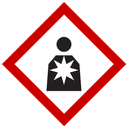
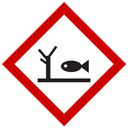
DANGER
- Highly flammable liquid and vapour., May be fatal if swallowed and enters airways., Causes skin irritation., Causes serious eye irritation., Harmful if inhaled., Suspected of causing cancer (Dermal, Inhalation, oral)., Suspected of damaging fertility or the unborn child (Dermal, Inhalation, oral)., May cause damage to organs (blood, brain, kidneys, liver, urinary bladder) (Dermal, Inhalation, oral)., May cause damage to organs (blood, brain, kidneys, liver, urinary bladder) through prolonged or repeated exposure (Dermal, Inhalation, oral)., Very toxic to aquatic life.